
Timing Matters When It Comes to Tree Care
Tree removal isn’t just about cutting down what’s unwanted — it’s about making the right choice at the right time. In Albuquerque’s unique climate, timing plays a crucial role in ensuring both the safety of your property and the health of your surrounding landscape. Whether a tree is diseased, damaged, or simply growing too close to structures, removing it strategically can prevent accidents, encourage new growth nearby, and keep your outdoor spaces thriving year-round.
The best time for tree removal in Albuquerque typically falls during the late winter to early spring months. During this period, trees are dormant, meaning they’re not actively growing. Without leaves and heavy sap flow, arborists can more easily assess the tree’s structure and safely perform removals with less impact on nearby plants. The ground is also firmer in winter, allowing equipment to move efficiently without disturbing soil or root systems that will support future growth. Acting before the active growing season also gives surrounding trees and vegetation more room and sunlight when spring arrives.
Safety is another key reason to plan removals around Albuquerque’s seasonal patterns. High winds, heavy monsoon rains, and even late-summer storms can cause weakened trees to fall suddenly, damaging property or endangering people nearby. Taking action before these conditions hit — particularly by removing dead or leaning trees in late winter — minimizes those risks significantly. Certified arborists can identify structural weaknesses invisible to the untrained eye, ensuring that every removal is handled with precision and care.
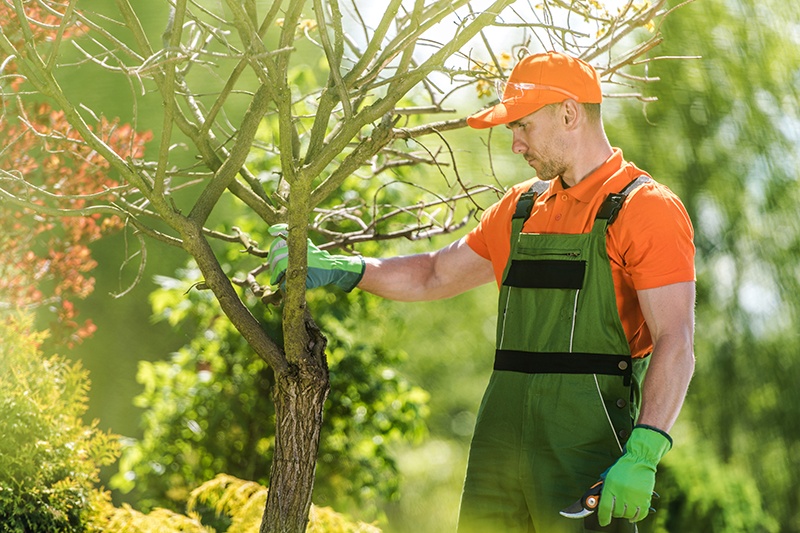
However, timing isn’t only about climate — it’s also about minimizing stress on the ecosystem. Removing a tree at the wrong time can disrupt nesting wildlife or harm surrounding greenery. Late winter removals tend to avoid these conflicts, as most local species haven’t yet begun nesting, and other trees are still dormant. This thoughtful approach supports Albuquerque’s natural balance, maintaining healthy soil, air quality, and biodiversity.
Of course, emergencies can happen any time of year. If a tree becomes unstable after a storm or shows signs of disease spreading quickly, immediate removal is essential. Still, for planned removals, late winter and early spring offer the safest and most efficient window for long-term results.
When done correctly, tree removal is less about loss and more about renewal. By choosing the right time and working with skilled professionals, homeowners in Albuquerque can keep their properties safe, their landscapes beautiful, and their remaining trees stronger than ever.
…